Most men choose a razor based on familiarity. Cartridge razors are common. Disposable razors are convenient. Few stop to consider how blade exposure, angle control, and weight distribution influence skin health over time. Shaving is a mechanical process. The blade either glides or drags. It either cuts cleanly or tugs. These outcomes depend on tool design.
An adjustable safety razor introduces control into that equation. Instead of accepting a fixed blade gap, the user selects the level of exposure that suits beard density and skin sensitivity. Precision reduces guesswork.
Understanding Blade Gap and Aggression
Blade gap refers to the distance between the blade and the safety bar. A wider gap removes more hair per pass. A narrower gap removes less and provides a gentler shave. Fixed razors lock you into one setting. If your beard is thick, the shave may feel inefficient. If your skin is sensitive, the shave may feel harsh.
A safety razor allows gradual modification. Lower settings work well for sensitive skin or daily maintenance. Higher settings handle denser growth more effectively. This adaptability is the core advantage.
Fewer Passes, Less Irritation
Irritation often results from repeated passes over the same area. Each pass increases friction and disrupts the skin surface. When blade exposure is properly calibrated, hair is removed efficiently in fewer strokes. Fewer strokes mean reduced inflammation.
An adjustable safety razor helps tailor efficiency without unnecessarily increasing aggression. This balance protects the skin barrier over time. Controlled exposure leads to predictable results.
Weight Distribution and Balance
Modern cartridge razors are lightweight and often rely on pivoting heads. This design encourages users to apply pressure. Pressure increases the likelihood of micro-abrasions. Traditional safety razors are heavier. That weight allows gravity to assist the cut. When paired with adjustability, the tool becomes more responsive.
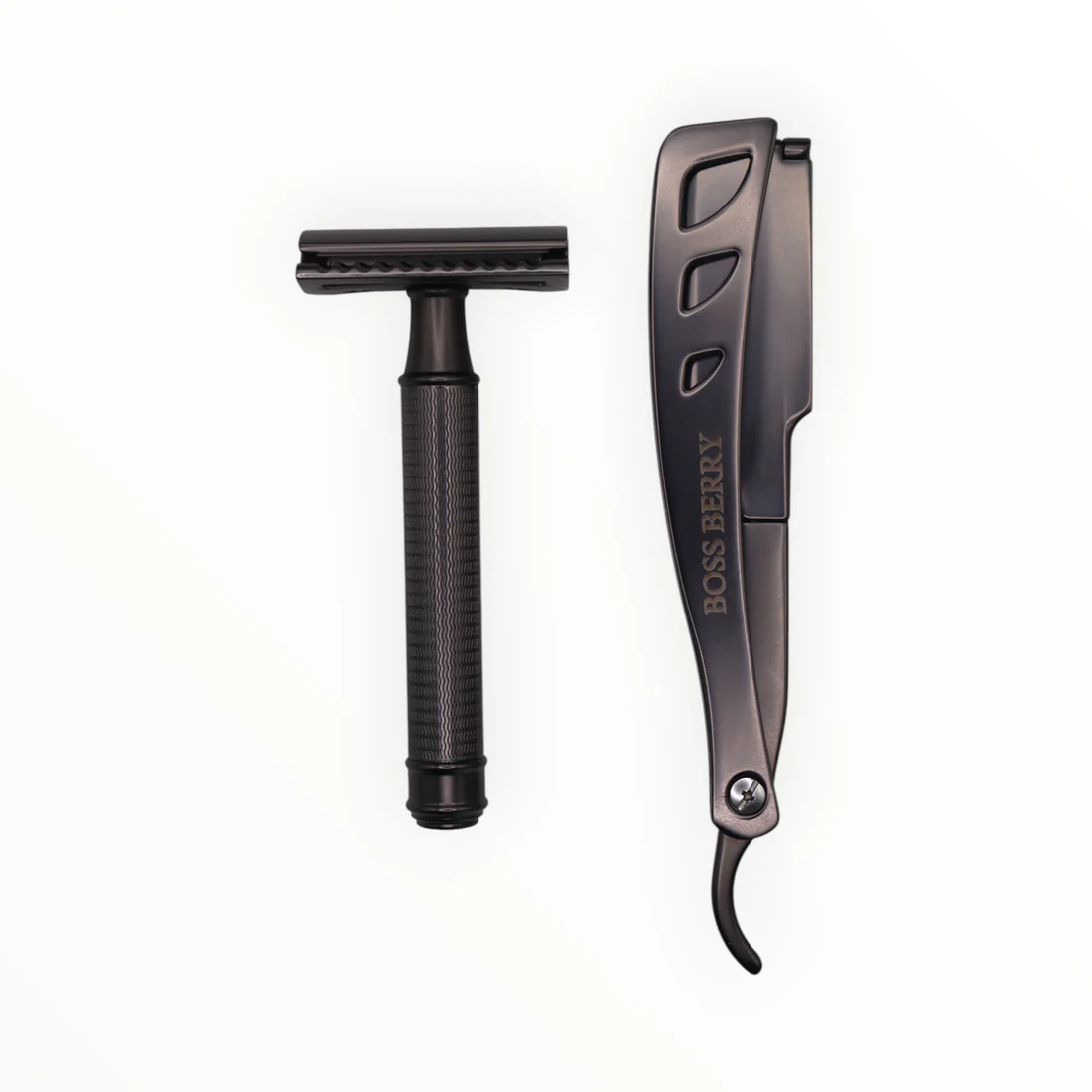
Some premium grooming providers, including BOSS BERRY, design shaving tools with balance in mind. Stable handle construction and refined blade alignment improve glide and control. A safety razor shifts the shave from reactive to deliberate.
Cost Efficiency Over Time
Disposable cartridges require frequent replacement. Over months and years, costs accumulate. Safety razor blades are typically less expensive and recyclable. The razor itself is designed for longevity.
A safety razor offers both durability and adaptability. Instead of purchasing multiple razors for different needs, one tool accommodates changes in beard density or skin sensitivity. The initial investment often balances out over time.
Technique and Learning Curve
Transitioning to a safety razor requires attention to angle and pressure. The blade should meet the skin at approximately thirty degrees. The motion should remain light. The learning curve is moderate but manageable. Within a few weeks, most users experience improved control and reduced irritation.
A safety razor simplifies that transition by allowing users to begin with a milder setting and gradually increase exposure as technique improves. Precision builds confidence.
Skin Health and Long-Term Results
Chronic irritation weakens the skin barrier. Redness, ingrown hairs, and uneven tone become more common when shaving remains aggressive. Controlled blade exposure protects the surface layer of the skin. Reduced friction improves post-shave recovery.
When paired with a structured shaving routine that includes proper preparation and aftercare, an adjustable safety razor contributes to healthier-looking skin. Shaving should refine appearance, not compromise it.
Who Benefits Most from Adjustability?
Men with sensitive skin benefit from lower blade settings. Men with coarse or fast-growing beards benefit from the option to increase exposure. Seasonal changes can also influence shaving needs. Skin may become drier in winter or oilier in warmer climates. Adjustable settings provide flexibility. A safety razor adapts rather than forcing the skin to adapt.
Final Note
Shaving is one of the most repeated mechanical actions performed on the face. Tool design matters. An adjustable safety razor provides measurable advantages: controlled aggression, reduced irritation, long-term cost efficiency, and adaptability across different skin and beard conditions. Precision defines performance. When shaving becomes deliberate rather than automatic, the results improve steadily. That consistency is what distinguishes refined grooming from routine maintenance.