When choosing a processor for gaming, especially for high-resolution games, one of the key decisions you’ll need to make is whether to go for an Intel i5 or an Intel i7. Both processors offer impressive performance, but there are some differences that may affect your gaming experience.
The i7 generally offers better overall performance compared to the i5, but how much of a difference does that really make for gaming, especially when you’re playing at high resolutions? In this article, we’ll compare the two processors, focusing on their gaming performance, and help you decide which one is better for your high-resolution gaming needs.
Understanding the Basics: i5 vs i7
Before looking into the details of gaming performance, it’s important to understand which is the best in Intel i5 vs i7 for gaming. Both processors belong to Intel’s Core series, but the i7 is a higher-tier model, offering better performance in terms of clock speeds, cores, and threads.
The i5 typically has fewer cores and threads than the i7, making it a more affordable option. The performance difference between the two processors can impact gaming and other tasks like streaming and content creation.
How does Core Count affect Gaming Performance?
The number of cores and threads in a processor can influence gaming performance, but this varies depending on the game you’re playing. For many games, especially older ones or less demanding titles, the difference between an i5 and an i7 may not be noticeable.
However, for modern high-resolution games, having extra cores and threads can make a difference, especially if you like to multitask or run resource-heavy applications in the background.
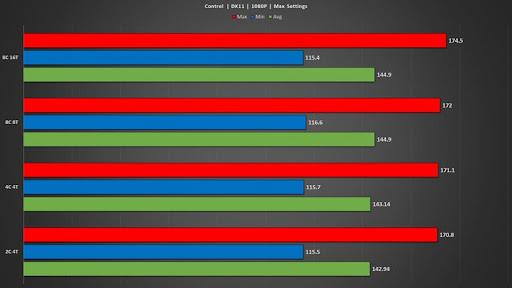 Image Source: RedGamingTech
The i7 usually has 6 or 8 cores, with 12 or 16 threads, while the i5 typically has 4 to 6 cores with 8 to 12 threads. The additional cores and threads in the i7 allow for smoother performance in games that are optimized for multi-threading. This is especially true when playing at higher resolutions, where your processor has to handle more tasks due to the increased workload of rendering images at higher pixel counts.
Gaming at Lower Resolutions and CPU-Intensive Games
While high-resolution games are less demanding on the CPU, gaming at lower resolutions, like 1080p, is a different story. The GPU isn’t as stressed at lower resolutions, and the CPU plays a more significant role in maintaining smooth gameplay. In these situations, the extra cores and threads of the i7 processor can help improve performance, especially in games that require more CPU power for tasks like complex physics calculations or managing large numbers of entities on screen.
For CPU-intensive games, such as real-time strategy games or large-scale multiplayer games, the i7 will likely provide a better experience, offering higher frame rates and smoother performance. If you often play these games at lower resolutions, the i7 is a better choice.
Multitasking and Streaming During Gaming
Another area where the i7 excels over the i5 in i5 vs i7 for gaming is multitasking. If you plan on streaming your games, recording, or running other applications while gaming, the i7’s extra cores and threads will allow for smoother performance. Streaming in particular can put a heavy load on your CPU, as it needs to handle both the game and the encoding process at the same time. The i7’s ability to handle multiple tasks at once makes it a more future-proof option for gamers who want to do more than just play.
Image Source: Smart Windows
If you’re someone who likes to keep a browser open, run Discord, or record gameplay while gaming, the i7 will handle these tasks more efficiently, preventing any slowdowns or frame drops. While the i5 can certainly handle multitasking, the i7 gives you more headroom for smoother performance.
Future-Proofing for Upcoming Games
Looking ahead, both the i5 and i7 will be able to handle most modern games without issues, but as new games become more demanding, the i7 will offer a bit more longevity. If you want to ensure that your system can handle upcoming games at high resolutions with the best performance possible, the i7 will give you a bit more future-proofing.
However, if you’re primarily concerned with gaming at high resolutions and don’t foresee needing to do heavy multitasking, the i5 will still provide excellent performance.
Conclusion
When deciding between an Intel i5 vs i7 for gaming, it’s important to weigh your specific gaming needs. For most gamers, especially those focused on playing at 1440p or 4K, the i5 will offer excellent performance without the higher cost. The GPU will be the main driver for high-resolution gaming, and the i5 can handle the demands of these games well.
However, if you plan to multitask, stream, or play CPU-intensive games, the i7’s additional cores, threads, and higher clock speeds will provide a smoother experience. Ultimately, both processors have their merits, but the i5 offers great value for high-resolution gaming, while the i7 is a better choice for those looking for maximum performance and future-proofing.
Read more: Intel Graphic Cards: What Gamers Need to Know Before Buying