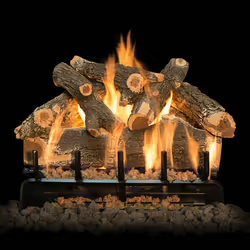
Selecting a good gas log set is not just about selecting logs that look real. There are many considerations to keep in mind regarding the logs that you select, which are the type of fireplace, the fuel supply, the ventilation, the heating needs, the space, and the manner in which you want your fire to be set.
An appropriate choice of fireplace log set can recreate a wood fire look without the fuss and cleanup of burning wood. Also, there are many types of logs to choose from, including the type of fuel and venting system.
Before ordering a fireplace log set, ask these six questions. They can help you narrow your choices and avoid compatibility problems.
1. Do I Need Vented or Ventless Gas Logs?
This is one of the most important decisions.
- The vented gas log is meant for use in a traditional fireplace that uses wood and has an operable chimney. This type of fireplace log set will produce high flames that look very realistic. It should be noted that the chimney damper should always be open when the fireplace is burning.
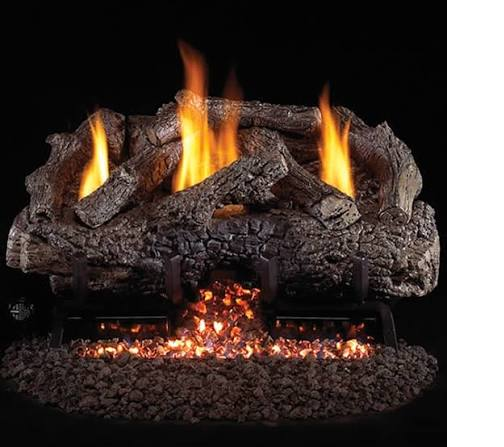
Source: Woodland Direct
- Ventless gas logs, also called vent-free logs, are designed for approved fireboxes and operate without a conventional chimney. They are highly efficient because much of the heat remains inside the room.
Consider how you use the fireplace. Consider your usage of the fireplace. For instance, an individual refurbishing the fireplace in the classic living room area just for the aesthetics might like the way the flames look in a vented fireplace.
Do not assume that one type can simply replace the other. Ventless systems require a firebox specifically approved for vent-free operation.
2. What Type of Fuel Does My Home Use?
Gas log sets are usually made to burn using natural gas or LP (liquefied petroleum gas). There is no way for them to switch without the help of a particular converter, and in some instances, this may be discouraged.
- Natural Gas: The gas is supplied by pipeline and is common in towns and suburbs.
- Propane: The fuel is kept in a container at your place and is available in rural locations where there is no natural gas service.
Knowing your fuel type before you shop is essential. Converting a log set can be complicated. For instance, while some vented log sets can be converted from propane to natural gas using a manufacturer-approved kit, ventless sets generally cannot. Purchasing the wrong type will result in a unit that is either unsafe or completely unusable.
3. Will This Log Set Even Fit My Fireplace?
This is one very practical but frequently neglected issue. A log set for the fireplace should be the right size for your firebox. An incorrectly sized set will look out of place and, more importantly, may not burn efficiently or safely.
The key is to read the manufacturer’s specifications for the log set you are considering. They will provide a minimum and maximum size for the firebox in which their product can be safely installed. These are not recommendations but mandatory conditions for the safe operation of the log set. You’ll have to measure your firebox.
4. What Are the Logs Made Of, and How Durable Are They?
The material type will determine how your logs look, feel, and how long they will last. There are three main types:
- Ceramic Fiber: Lightweight and the cheapest. They look very realistic but tend to be fragile.
- Refractory Ceramic: Sturdier than ceramic fiber. Heat-resistant, will not fade over time, and will last 10 years or more, even if exposed to the elements.
- Refractory Cement: They are deemed the most realistic because they have a firmer feel and can produce finer details like bark and knots. The only drawback is that they can crack under very high temperatures.
Craftsmanship is an important factor, as high-quality manufacturers create logs by molding real wood and then hand-painting them to ensure authenticity with styles such as birch, charred oak, or driftwood.
5. How Will I Control the Fire? Manual or Remote?
The ignition system determines the convenience and safety of using your fireplace log set.
- Manual Ignition: This is the most basic and economical option. You simply turn a gas key and light the burner with a match or lighter. Simple, but without the safety provided by a pilot system.
- Manual Safety Pilot: Provides a standing pilot light, making it a safety measure, but the main burner needs to be lit manually.
- Remote Safety Pilot: Allows you the convenience of a remote control for turning your fireplace on or off, raising or lowering the flame height, and even controlling a thermostat, with the pilot still burning. A remote can often be added to an existing system if it has a millivolt valve.
- Electronic Ignition: Most convenient method. It works with the help of a battery or home power source and lights up the burner automatically by pressing a switch, sometimes along with a choice of thermostat functionality too.
6. What Safety Features and Code Requirements Are Critical?
Safety always needs to be a priority. Some things that you need to keep in mind when dealing with gas logs are
- Must Have Open Damper (For Vented Sets): This is a requirement. Vented gas logs create carbon monoxide (CO), which is a deadly, odorless, colorless gas. The damper must be open to let out the dangerous gases into the environment.
- A Fireplace Screen: A fireplace screen needs to be a must-have item when using a gas log set. It helps to protect you from getting hurt by either touching the hot glass or the burning logs and traps any sparks or embers.
- CO Detector: Any gas-fueled appliance requires a carbon monoxide detector in the same room. In case of vent-free systems that emit a small amount of gases into the room, it is critical to have a CO detector.
- Listed and Labeled: Make sure your log set is always listed and labeled according to a well-known testing agency (ANSI). It means that your product is certified according to particular requirements for safety.
Final Thoughts
Selecting a good fireplace log set will not only make your life better, but it will also add beauty and warmth to your home in ways you never thought possible. With these six key considerations, venting method, fuel type, sizing, materials, control and safety, you will be able to find the perfect fireplace log set for your needs.
No matter whether it’s the lively dancing flames of the vented sets that you like or the heat efficiency of the vent-free sets, the proper selection of the fireplace log set will give you many years of pleasant fires without all the drawbacks of using actual wood logs.