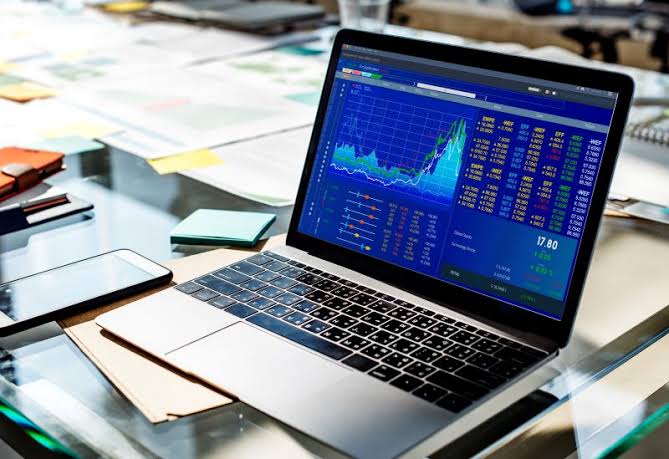
Currency charts can seem detached from ordinary life, especially when prices are quoted to four decimal places and discussed in terms of basis points. Yet exchange rates influence supermarket bills, factory margins, tourism receipts and hiring decisions. A beginner asking what is forex trading is really asking how competing national prices are translated into one another, often with consequences far beyond a trading screen.
A currency rarely affects every part of an economy in the same way. Depreciation may help exporters while hurting importers. Appreciation can make foreign goods cheaper but reduce the value of overseas revenue. That uneven impact explains why a currency move described as “good” for a country can still create clear losers.
A Weaker Currency Raises the Cost of Imports
Suppose a country imports oil in US dollars while its local currency falls 10% against the dollar. Even if the global oil price is unchanged, refiners must spend more local currency to purchase the same shipment. Higher fuel costs then travel through trucking, aviation, manufacturing and electricity generation.
The pass-through is rarely immediate or complete. Importers may have hedged earlier purchases, retailers may absorb part of the increase, and weak consumer demand can limit price rises. Once those protections expire, however, replacement inventory arrives at the new exchange rate. This is why households may feel a currency decline months after traders first reacted.
The chart moves first. The receipt often follows later.
Exporters Can Benefit Without Cutting Foreign Prices
A weaker home currency can improve an exporter’s accounts because revenue earned abroad converts into more local currency. A manufacturer selling equipment for $1 million receives more domestic money after depreciation, even when the dollar price paid by the customer does not change.
Beginners often assume exporters immediately become more competitive by lowering prices. Established companies may instead keep foreign prices steady and use the currency advantage to rebuild margins, fund investment or offset higher imported input costs. The benefit depends on where the firm earns revenue and where it pays expenses.
This creates a counterintuitive result: a weaker currency can help an exporter whose sales are international, yet hurt another exporter that imports most of its components. The label “exporter” reveals less than the company’s full cost structure.
Sudden Currency Moves Can Alter Business Decisions
Britain’s market reaction to the September 2022 mini-budget offered a realistic example. Sterling fell sharply as investors questioned the fiscal outlook, while government bond yields surged. Import-dependent businesses faced the prospect of higher replacement costs, and companies with unhedged dollar expenses had to reconsider pricing and cash requirements.
The initial currency move was fast because financial markets could reprice expectations within minutes. Businesses adjusted more slowly. Existing contracts, inventory and hedges delayed the effect, but future purchase orders reflected the weaker exchange rate. Experienced market participants distinguish between that immediate price shock and the later economic transmission.
A rebound does not erase every consequence. A company forced to hedge near the worst level, raise financing or postpone an order may carry the cost long after the currency recovers.
Tourism and Investment Respond to Relative Prices
Currency weakness can make hotels, restaurants and local services cheaper for foreign visitors. It may also encourage residents to holiday domestically because overseas travel has become more expensive. Tourism regions can gain spending even while households elsewhere struggle with imported inflation.
Foreign investment is more complicated. Local assets may look cheaper when translated into dollars, but a falling currency can also reduce future returns. An overseas investor earning 8% on a local bond still loses in dollar terms if the currency falls 12%. Cheap is not the same as attractive.
When considering what is forex trading in economic terms, follow the conversion points rather than the headline direction. Note which industries earn foreign currency, which pay for imported inputs, how much exposure is hedged and when contracts reset. For any major exchange-rate move, track three practical channels: import prices, corporate margins and financing costs. Those channels usually reveal where the chart will enter the real economy first.